
Growing Green Minds: How the ISEC Eco-Kids Holiday Camp Is Inspiring the Next Generation of Environmental Leaders
What if building a cleaner, healthier, and more sustainable future began with the curiosity of a child?
At ISEC Cameroon, we believe that environmental stewardship starts early. When children are given the opportunity to connect with nature, understand environmental challenges, and take simple actions, they develop values that can last a lifetime.
That vision came to life through the ISEC Eco-Kids Holiday Camp—a three-week immersive learning experience that blended environmental education with creativity, play, and hands-on activities. More than just a holiday programme, the camp empowered children to discover that they are never too young to become changemakers for the planet.
Planting the Seeds of Environmental Stewardship
Designed for children aged 3 to 14 years, the Eco-Kids Holiday Camp introduced young learners to environmental concepts in fun, engaging, and age-appropriate ways. Each week explored a different theme, allowing participants to gradually build their understanding of nature, sustainability, climate change, and environmental responsibility.
Rather than simply teaching facts, the programme encouraged children to ask questions, explore the world around them, and recognize that even small everyday actions—such as planting a flower, conserving water, reducing waste, or recycling—can create meaningful environmental change.
The goal was simple: inspire children to become lifelong caretakers of the environment.
Learning Through Play, Creativity, and Discovery
Children learn best by doing. Throughout the camp, every lesson was transformed into an interactive experience that combined education with fun.
Week One: Discovering Nature and Biodiversity
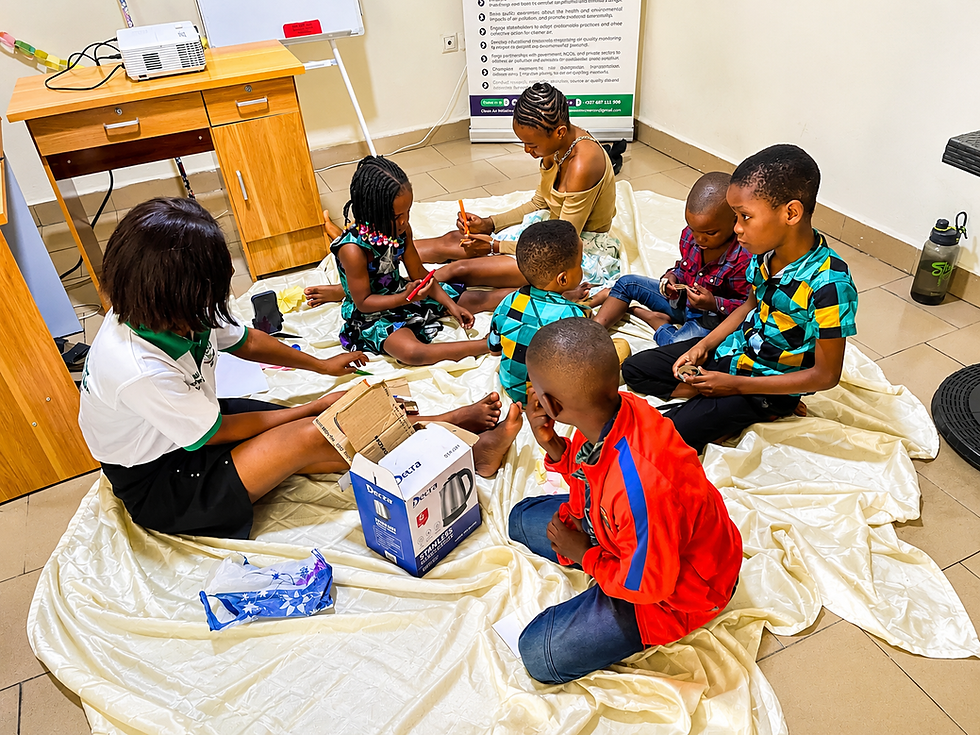
The first week introduced campers to ecosystems, biodiversity, and the United Nations Sustainable Development Goals (SDGs). Through storytelling, educational videos, environmental games, and hands-on gardening, children planted flowers, cared for them each day, and learned firsthand about the importance of nurturing living things.
The week concluded with environmental pledges that encouraged every child to become a protector of nature.
Week Two: Becoming Waste Warriors
The second week focused on waste management and the principles of Reduce, Reuse, and Recycle.
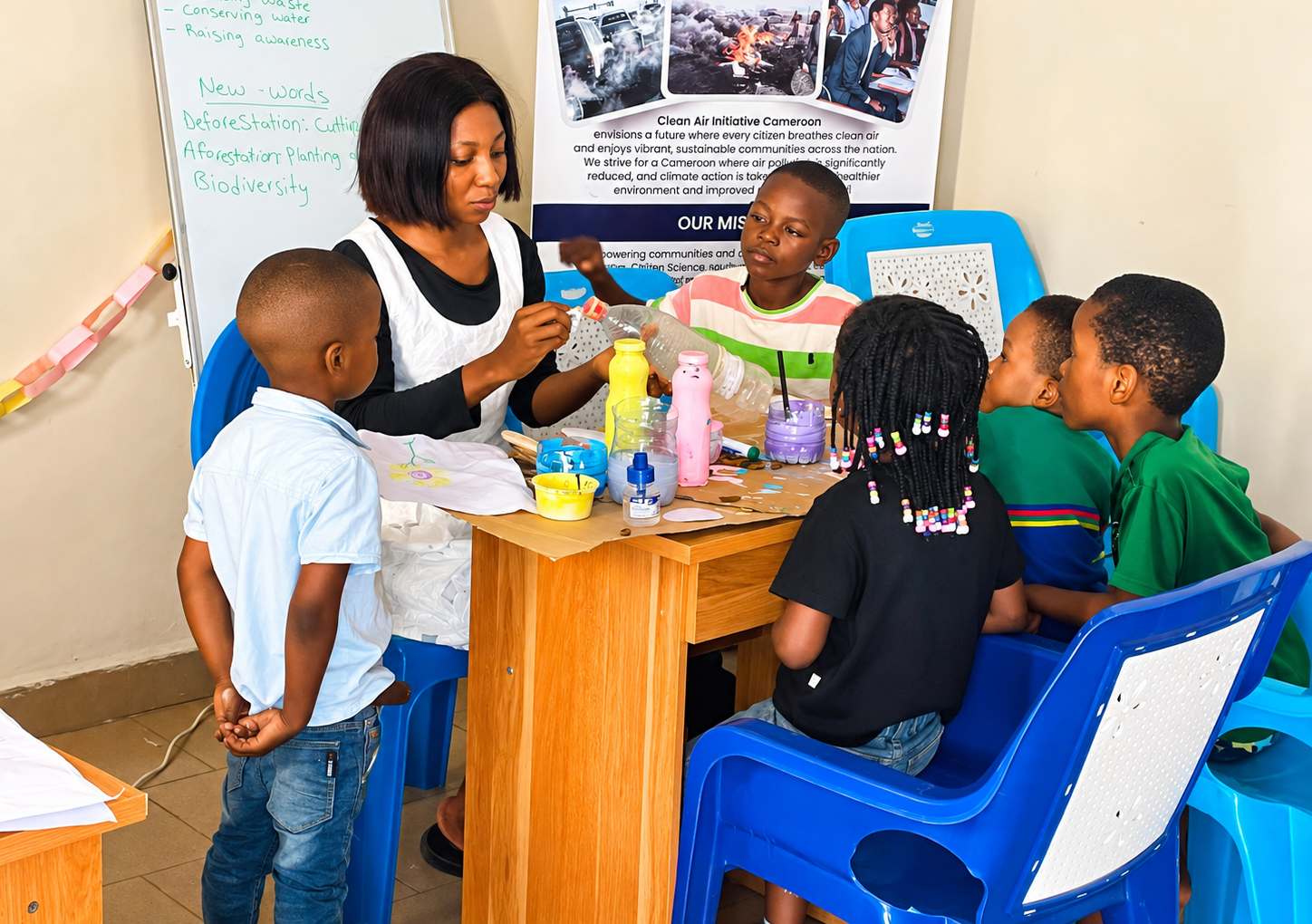
Children participated in waste-sorting competitions, recycling challenges, and creative art sessions where discarded plastic bottles were transformed into colorful decorations and useful items. Community clean-up exercises reinforced the idea that everyone has a responsibility to care for their surroundings.
By turning waste into art, campers discovered that creativity and sustainability can go hand in hand.
Week Three: Understanding Climate Change and Pollution
The Final week introduced children to climate change, air pollution, and environmental conservation in simple and relatable ways.
Nature walks encouraged participants to observe their surroundings, identify different forms of pollution, appreciate healthy ecosystems, and understand why clean air matters. Photography and creative observation activities helped children develop a deeper appreciation for nature while expressing their unique perspectives through art.
By the end of the week, environmental protection had become something they could see, understand, and practice in their everyday lives.
Building Skills Beyond Environmental Education
While environmental awareness was at the heart of the camp, the programme also focused on developing essential life skills.
Through teamwork, storytelling, role-playing, outdoor exploration, creative expression, and collaborative challenges, participants strengthened their:
Communication skills
Leadership and teamwork
Critical thinking
Creativity
Problem-solving abilities
Confidence and self-expression
Older participants naturally became mentors for younger campers, creating a supportive environment where kindness, collaboration, and responsibility flourished.
These experiences helped children grow not only as environmental stewards but also as confident young leaders.
Raising the Next Generation of Climate Champions
One of the camp's greatest achievements was helping children understand that they are not too young to make a difference.
Climate change was presented not as a problem to fear, but as a challenge they could help solve through everyday actions. Campers learned practical habits they could apply at home and at school, including:
Conserving water
Caring for plants
Reducing waste
Recycling materials
Keeping their surroundings clean
Encouraging friends and family to protect the environment
These seemingly small actions are the foundation of lifelong environmental responsibility.
Environmental Education Is a Shared Responsibility
Creating environmentally conscious communities requires more than classroom learning—it requires the involvement of families, schools, and communities.
Parents shared encouraging feedback about the positive changes they observed in their children. Many noted that their children became more enthusiastic about protecting nature, reminding family members to reduce waste, care for plants, and keep their surroundings clean.
These moments demonstrate the ripple effect of environmental education. When children learn, families learn too.
By investing in environmental education today, we are nurturing a generation that values sustainability, embraces innovation, and understands the importance of protecting our planet for future generations.
A Reflection from the Camp Educator
Facilitating the ISEC Eco-Kids Holiday Camp has been one of the most rewarding experiences of my journey as both a nurse and an environmental advocate.
Every session reinforced my belief that environmental education should begin early, when children are naturally curious, eager to explore, and excited to learn.
Throughout the programme, I witnessed remarkable moments of growth—from children proudly planting and caring for flowers to confidently explaining the importance of recycling, clean air, biodiversity, and protecting nature. Watching them transform discarded materials into creative artwork, encourage one another during group activities, and enthusiastically share environmental lessons with their families was truly inspiring.
Perhaps the most memorable transformation was seeing the children develop a genuine sense of responsibility for the environment. Their enthusiasm reminded me that meaningful climate action is not only driven by policies or large-scale projects—it is also built by nurturing compassion, curiosity, and positive habits from an early age.
This experience strengthened my commitment to environmental education and community engagement. It reaffirmed that by investing in children today, we are cultivating a generation equipped with the knowledge, confidence, and passion to build a healthier, greener, and more sustainable future.
Being part of that journey has been both a privilege and a source of hope.
Looking Ahead
The ISEC Eco-Kids Holiday Camp was far more than a seasonal holiday programme—it was an investment in the future.
Over three weeks, children discovered that protecting the environment begins with simple everyday choices. They learned to appreciate nature, think critically about environmental challenges, and recognize that their actions matter.
These young learners are growing into tomorrow's climate champions, community leaders, and environmental advocates.
At ISEC Cameroon, we remain committed to creating opportunities that empower children to learn, lead, and protect the environment. Because every great environmental leader begins with a single step—and every greener future begins with a child who believes they can make a difference.
As we continue expanding our environmental education programmes, we look forward to inspiring many more young minds across Cameroon to become active stewards of our planet.
Together, we are not only growing flowers—we are growing a generation that will help build a greener, healthier, and more sustainable future for all.
By : Merilyn Ngemukum
Edited By : Harrison Ashangwa
Follow ISEC Cameroon : Facebook


Such a wonderful initiative by ISEC Cameroon! Teaching children to see climate solutions through play, creativity, and simple daily habits is so empowering. Seeing older kids mentor younger ones and take those lessons home proves how vital early environmental education really is.
Keep up the amazing work!